Returning to God: A Theology of Repentance
Course Description
Repentance is one of the Bible's most important—and most misunderstood—themes. Many people associate repentance with guilt, remorse, or confession. Yet the biblical vision of repentance is much richer. In the Hebrew Scriptures, repentance is described as returning to God. Ancient Jewish writers and communities reflected deeply on this theme, exploring the relationship between repentance, forgiveness, atonement, and restoration. John the Baptist, Jesus, and the apostles proclaimed repentance within this same world of Jewish belief and practice, calling people to return to God in light of God's saving action and the arrival of his kingdom.
This four-week course traces the theology of repentance from the Hebrew Scriptures through ancient Judaism and the apostolic movement. Through guided reading and discussion of biblical and ancient Jewish texts, participants will discover how a theology of repentance emerges from Scripture itself. Along the way, we will explore repentance as a path of restoration, forgiveness, covenant renewal, and transformed life.
Week 1
Returning to God: Repentance in Jewish Scripture
What does it mean to repent? The Hebrew Bible answers this question with a powerful image: return. This session explores the language of repentance in the Law, Prophets, and Writings, examining how Israel understood sin, forgiveness, covenant renewal, and God's invitation to return. Special attention will be given to key texts from Deuteronomy, the Prophets, the Psalms, and the story of Jonah.
Read: Deuteronomy 30:1–10 • Hosea 14 • Joel 2:12–17 • Psalm 51 • Jonah 3
Week 2
Teshuvah: Repentance in Ancient Judaism
The biblical call to return to God continued to develop in the centuries before Jesus. This session examines how ancient Jewish writers and communities understood repentance, forgiveness, atonement, prayer, and restoration. Participants will encounter texts from Ben Sira, Tobit, the Dead Sea Scrolls, and other Jewish writings that shaped the religious world of the New Testament.
Read: Ben Sira 17:24–29 • Tobit 12:6–10 • Psalms of Solomon 9 • 1QS 5:1–13 • Josephus, Antiquities 18.116–119
Week 3
The Kingdom and Repentance: The Apostolic Movement within Ancient Judaism
The call to repentance stood at the center of the message of John the Baptist, Jesus, and the apostles. This session focuses on the apostolic movement within the broader world of ancient Judaism, exploring how its proclamation of repentance emerged from Jewish hopes for God's kingdom and the restoration of Israel. Through readings from the Gospels, Acts, and the letters of Paul, participants will discover both the continuity and distinctive emphases of repentance within the movement devoted to Jesus.
Read: Mark 1:1–15 • Luke 15 • Acts 2:37–41 • Acts 3:19–21 • 2 Corinthians 7:8–11
Week 4
Repentance, Forgiveness, and New Life
After exploring repentance in Israel's Scriptures, ancient Judaism, and the apostolic movement, this session brings the course's major themes together. Through biblical and ancient Jewish texts, participants will examine the relationship between repentance, forgiveness, reconciliation, and transformed life, considering how the call to return to God shapes both personal and communal renewal.
Read: Deuteronomy 30:1–10 • Hosea 14 • Luke 15 • Acts 3:19–21 • Revelation 2–3
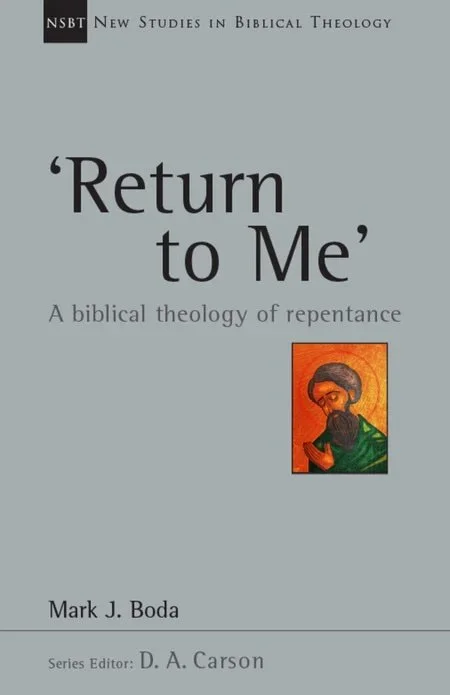
Recommended Reading: Mark J. Boda, Return to Me: A Biblical Theology of Repentance (IVP Academic, 2015).
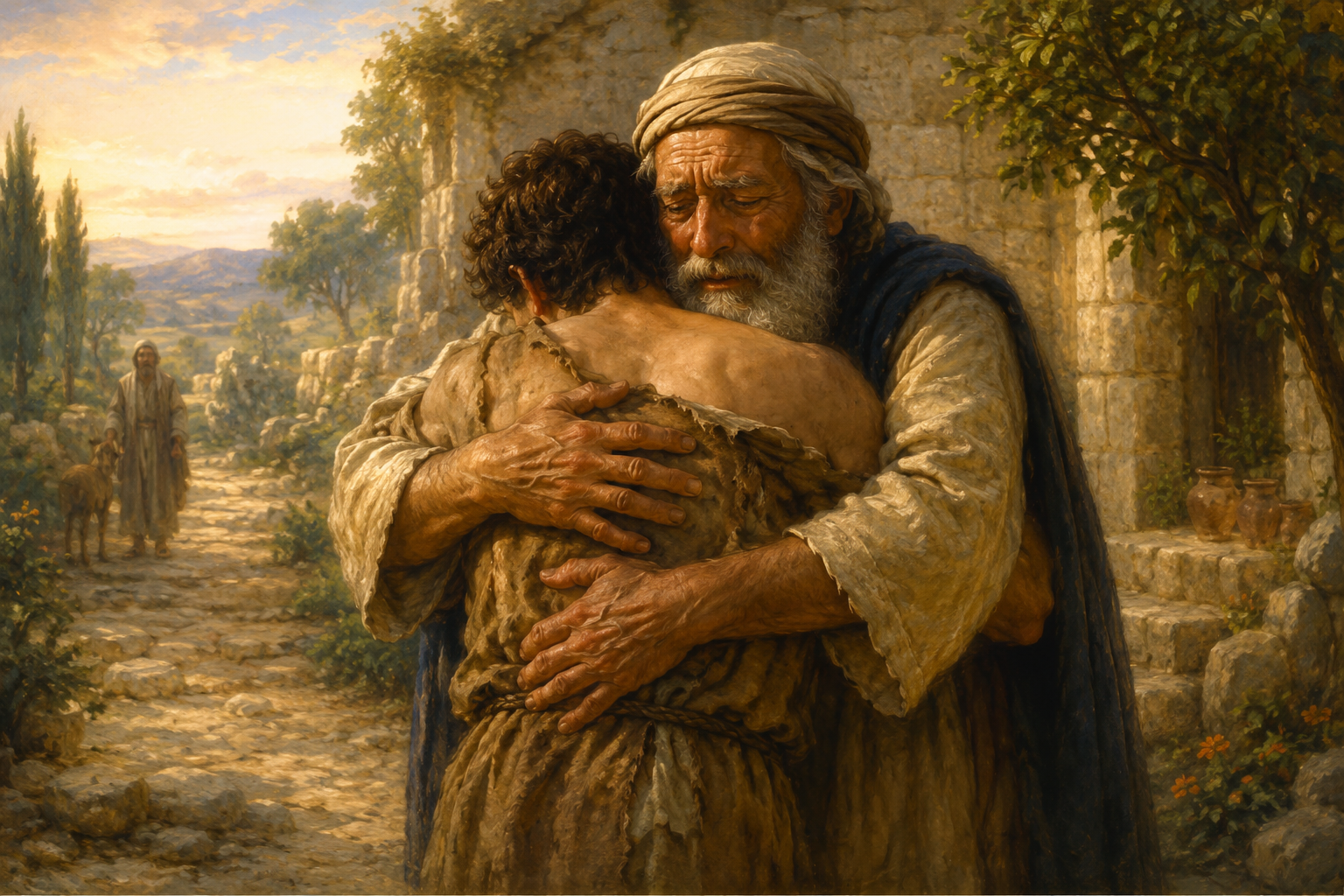
Parable of the Prodigal Son
Luke 15:15:11-32

Course Instructor
Dr. Joel Willitts
Joel Willitts (PhD, MPhil, ThM) is Professor of Biblical and Theological Studies at North Park University where he has served for over twenty years. He also serves as the Director of the Study Center of the Schubach Library & Study Center.