Part One: What Did It Mean for Jesus to Be Born a Jewish Child?
Luke 2:21-40
Eight days after Jesus was born, Mary and Joseph had him circumcised and gave him the name Jesus. Some weeks later, they carried him to Jerusalem. There they presented him before the Lord and brought a pair of birds as a sacrifice, following the instructions given in the Torah.
Luke could have moved quickly from the manger to Jesus’ public ministry. Instead, he slows down. Before Jesus teaches, heals, calls disciples, or announces the kingdom of God, Luke shows us a Jewish family receiving a child and ordering their life according to Israel’s Scriptures.
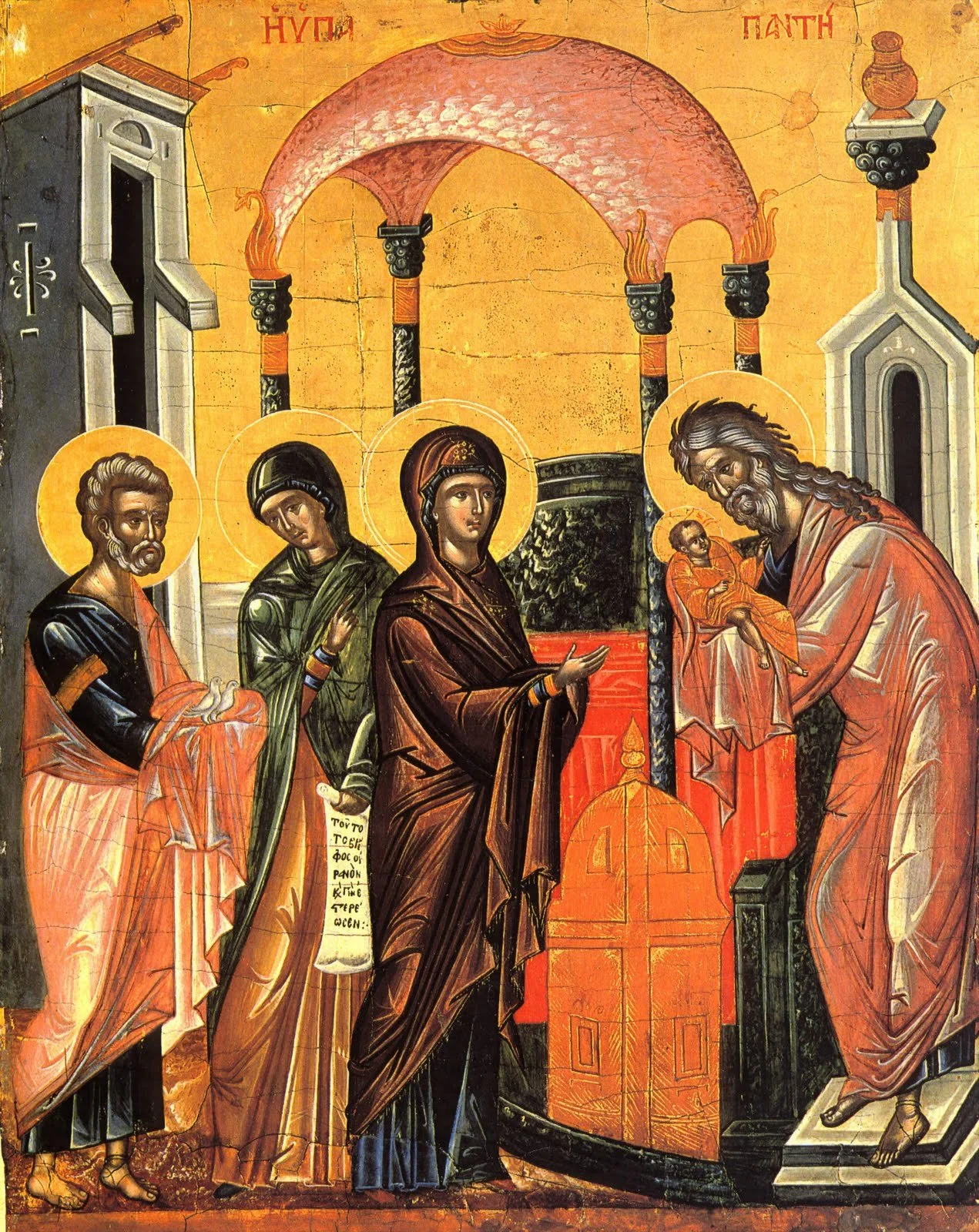
This scene is sometimes called the dedication of Jesus. Luke gives us a more precise picture. He describes Jesus’ circumcision and naming, Mary’s purification, the presentation of a firstborn son, and the family’s sacrifice. Each action connects this child to the life of Israel.
A child within the covenant
Circumcision marked Jewish boys with the sign of the covenant God made with Abraham. It was not simply a private family ceremony. It placed Jesus visibly within a people and a history.
Luke repeats the phrase “according to the law” throughout the scene. Mary and Joseph act “according to the law of Moses.” They take Jesus to Jerusalem “as it is written in the law of the Lord.” They offer the sacrifice the law commands. When everything has been completed, Luke says once more that it was done “according to the law of the Lord” (Luke 2:22–24, 39).
The sacrifice also tells us something about the family. The Torah instructed a mother to bring a lamb and a bird after childbirth. If the family could not afford a lamb, two birds could be offered instead (Leviticus 12:6–8). Mary and Joseph bring the two birds. Jesus enters Israel’s story in a family of modest means, carried by parents who observe the Torah with what they have.
Israel’s hopes gather around him
When the family enters the Temple, two faithful Jews recognize something in the child.
Simeon has been “looking forward to the consolation of Israel.” He takes Jesus in his arms and praises God. This child, he says, will be “a light for revelation to the Gentiles and for glory to your people Israel” (Luke 2:25, 32). Anna, a prophet who worships in the Temple with fasting and prayer, begins speaking about Jesus to those who are “looking for the redemption of Jerusalem” (Luke 2:38).
Their words widen the horizon of the scene. Jesus’ significance will reach the nations, but the nations do not enter a story with no name or history. Simeon speaks of Israel’s consolation. Anna speaks of Jerusalem’s redemption. Jesus will be light to the Gentiles and glory to Israel. The hope for the nations and the hope for Israel appear together in the same child.
Before Jesus can speak for himself, Luke lets Israel’s Scriptures, customs, and hopes tell us who he is.
More than a fact about his ancestry
Christians speak of the wonder of the incarnation: the eternal Son of God became human. Luke asks us to see how particular that human life was. Jesus did not enter humanity in the abstract. He was born to a Jewish mother, received by a Jewish family, marked with the sign of Abraham’s covenant, carried into Israel’s Temple, and welcomed by people waiting for Israel’s consolation.
His Jewishness was not scenery placed around the manger. It belonged to the life he entered.
This does not make the story smaller. In Luke’s telling, it is how the story opens outward. The child who belongs to Israel will bring light to the Gentiles. The Messiah of Israel will matter for the world.
So what does it mean to say that Jesus was born a Jewish child? It means that from his first days, he belongs to Israel’s people and lives within Israel’s covenant and hope. His mission does not begin after this scene, as though these details were only preparation. The scene is already showing us the shape of that mission.
If we begin the story here, the question is no longer only, “Why was Jesus born?” We also begin to ask, “Into whose story was he born?”
That question will follow us into the synagogue, where Jesus stands on the Sabbath to read from the prophet Isaiah “as was his custom.”