Does Jesus’ Jewishness Matter More Than We Realize?
Eight Scenes from the Gospels and Acts
Jesus was Jewish. The fact is familiar enough that we can say it without stopping to ask what it means.
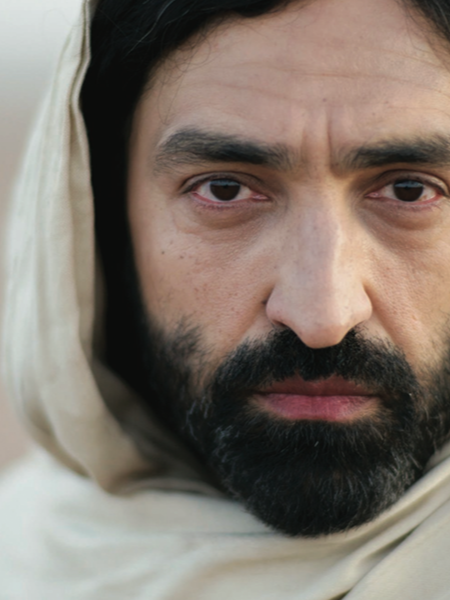
But the Gospel writers do not treat Jesus’ Jewishness as a detail in his ancestry. They show it in scene after scene. At eight days old, he is circumcised and named. His parents carry him to the Temple and offer the sacrifice prescribed in the Torah. As an adult, he goes to the synagogue on the Sabbath “as was his custom.” He travels to Jerusalem for Jewish festivals. He debates how the Torah should be kept. He speaks of Israel’s lost sheep. When Rome crucifies him, the charge above his head reads, “The King of the Jews.”
Even after Jesus’ resurrection and ascension, the story remains rooted in Israel. His disciples ask about the restoration of the kingdom to Israel. Peter continues to observe Jewish food practices. Jewish believers worship in the Temple, and Paul joins other Jewish followers of Jesus in a rite of purification.
What happens when we place these scenes beside one another?
Perhaps we have sometimes treated Jesus’ Jewishness as an important fact at the beginning of the story: it places him in the family line of David and identifies him as Israel’s Messiah. Once that has been established, however, we may hurry on to what Jesus means for everyone. But what if his Jewishness belongs to the whole story—not only to his ancestry, but also to his worship, teaching, disputes, mission, death, resurrection, and the lives of his first followers?
To be Jewish in the first century was more than holding a set of religious beliefs. It meant belonging to a people whose life had been formed by the God of Israel. Israel’s Scriptures, the Torah, the Temple, the synagogue, the Sabbath, the festivals, family customs, shared memories, and hopes for Israel’s restoration all shaped that life. Jesus lived among this people and took part in this world.
This series will return to eight scenes from the Gospels and Acts. We will begin with Jesus as a newborn Jewish child. We will watch him in the synagogue, listen to his arguments about the Sabbath and purity, follow his mission to Israel’s lost sheep, and stand beneath the sign that calls him “King of the Jews.” Then we will turn to Acts and ask what Israel’s restoration and Jewish ancestral customs meant to his earliest followers.
The point is not to place a modern label on Jesus and then leave him at a distance. It is to look again at the person the Gospel writers place before us. Where does he go? What does he do? Which Scriptures does he speak? What questions occupy him? What hopes guide his mission?
The question running through the series is simple: Does Jesus’ Jewishness matter more than we realize? Might it change the way Christians tell the story of Jesus—and what it means to call him Lord?